Showing posts with label BleedingGums. Show all posts

Monday, 17 September 2018

Oral health Throughout Your Life: What Your Needs Are

As we grow older our oral health changes. The oral health that you had as a kid, or even as a young adult, is definitely different from the oral health that you’ve gotten in the past.

When you take care of your teeth, you will notice these changes that become different over time, and how they will magically become easier for you to deal with. Adapting to these needs is vital, especially for your own well-being. 

Infants and toddlers 

It might seem silly to start with oral habits at such a young age, but it is important. Even those that are infants can have good oral habits, which they will carry throughout their entire life.

Putting a dab of toothpaste on your finger and rubbing them around the gums is great for infants who don’t have their teeth yet. Once the first tooth starts to erupt, you can get a brush specifically for that. cleaning their mouth with a cloth works too.


For toddlers, they might have some idea of their mouth and teeth, but may struggle with brushing them.   so, you can help them by doing it for them, showing them the importance of cleaning all their teeth. 

Adolescents and Teenagers 

Now, as a kid gets older, they will start to develop dexterity and motor skills, especially for taking care of themselves. This translates to their oral health.

So what that means for you is simple: you start them with a brush, showing them how it’s done. Guide them on learning how to brush their teeth, paying attention to how they take care of the hard-to-reach spots.

You can get them a timer, and they can use their toothbrush themselves. An electric toothbrush might work.

Now for teenagers, by this point they probably have the habit, or not. Maybe a dental wakeup call is what they need.

They might start to get orthodontics, which will help with their bite. As young as eight can get them, but most of the time you get these orthodontic appliances when you are able to get the information you need on your teeth.

Adults 

Adults are mostly just maintaining their oral health despite the busy lives.

Brushing twice a day, flossing once a day at least, eating right, drinking water, and refraining from smoking and other habits that can compromise teeth is the main part of this point.


Lives get busy, but don’t forget about your teeth. All those important habits that you formulated early on don’t go by the boards because you’ve got kids and a job now! 

For Aging Adults and Seniors 

As one gets older, other dental problems arise, which can get worse if they’re much older. 

Dry mouth is one of them, especially with development of the salivary glands. 

The other one is tooth loss. This might cause one to need dentures or bridges. In some cases, they might need some implants for this job, so it’s important to make sure that, if you’re not seeing your dentist for this help already, you get out there and get the care that you need.
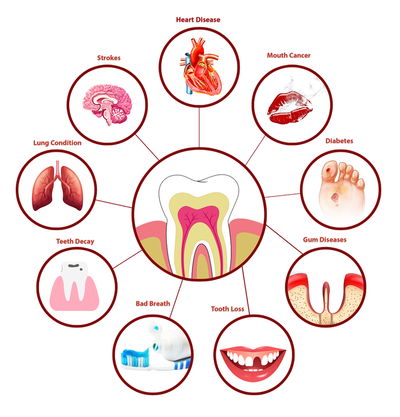


As one gets older, the needs will always change. Here, we went over the entire gamut of what you need in order to make sure that your oral health is on point.   If you know the evolving needs, you will be able to do something about it.   your oral health will take a lot of time to master, but you will notice that, once you’ve got it, you will be able to form a lifelong habit.


Sunday, 17 July 2016

Top Myths About Oral Health

You take care of your teeth a lot, but did you know that there are many misconceptions about the oral health you have. Sometimes these messages are improperly interpreted, and dental myths can pass for many generations. Let’s set this record straight with the top dental myths, and the misconceptions there. 

Sugar Causes Cavities 

It isn’t sugar itself that’s the major problem, but basically you’re feeding the bacteria that will eat this. sticky foods such as starches also will cause bacteria to thrive near the teeth. They’re basically producing acids that will cause tooth decay. So, the solution is to rinse and then brush after your meals in order to reduce the acid and the plaque buildup. 


Bleeding Gums are Normal! 

They’re not. They happen because of gum inflammation. When gums are inflamed, they bleed, simply because of too much plaque building up, and gingivitis settling in, along with gum disease and the like. If you find they’re bleeding a lot, talk to the dentist and get an exam. 

It’s Better to harder brush 

No, it’s actually not. In fact, it can undo a lot of the things you’re trying to do to your teeth, and if you brush too hard, it causes tooth trauma to the enamel and gum tissue. It eventually leads to gum recession, so make sure to brush two minutes, twice daily with soft-bristled toothbrushes. 

Flossing isn’t necessary 

It is! it’s an integral element to good oral health. With only about 20% of Americans flossing, most of the time less than half the people floss daily. But flossing removes up to 80% f the plaque in your mouth. The plaque deposits in the mouth contribute to tooth decay, but flossing aims to help with removal of the problems and can ultimately be the best way to eliminate the presence of bad bacteria. 


You can replace brushing with chewing gum. 

No you can’t. in fact, gum is not a replacement for brushing those teeth. Sure, some gum will be able to help with making sure you’ve got better breath and clean out the teeth. Some dentists even consider this to be a better alternative to candy, for those with a sweet tooth. But, while gum might be great for oral health, they don’t clean up in the manner that brushing the teeth will. 

White teeth Mean healthy Teeth 

That’s not always the case. Teeth will become white, but over time they’re discolored through damage and staining. 

While whitening is good for color, if there are underlying issues, it will impact the overall luster. If you notice this, then talk to the dentist right away, to find out just what you can do to make your teeth better. 

Charcoal toothpaste works better 

It is commonly marketed to people, but the reality of this is simple. Charcoal teeth aren't good as a protectant for teeth, and the toothpaste works against your teeth through absorbing those agents that are meant to keep the teeth nice and strong. 


Kids don’t have to brush their teeth. B

Ad oral health leads to a lifetime of problems, and sometimes, kids never develop the habit. They’ll lose these teeth that they have, and over time, it causes some major health issues. Tooth decay in kids does cause some big problems once the baby teeth are gone too, so keep that in mind. 

These myths are important to remember, and you should keep these in mind in order to have a happier, healthier smile, and to help solidify the idea of taking care of your teeth for the long haul too.


Thursday, 22 October 2015

DIY Dentistry: Why you Should Avoid it

DIY activities are all the rage these days, including, unfortunately, in the realm of oral health and dentistry. While yes, you can find almost anything online, it’s better to leave the care to the professionals.

DIY dentistry is something that is harmful, and does have severe consequences, especially with certain processes. While it might tempt you to try these, your oral health might end up worse. You know what they say, you should leave certain stuff to the professionals, and this is but one of them. 

Why Do DIY Dentistry? 

There’s a few obvious reasons for this.   First is the vast amount of information that’s online. You can google right now and learn that there are articles claiming apple cider vinegar will make your teeth whiter, or teach you how to make a bridge out of materials you have at home.


With the rising costs of how much everything is, a lot of times people don’t go to the dentist, so their oral health will suffer. Those without insurance may not be able to afford it either, which is why they try to use these methods.

The third is fear. So many are afraid of the dentist to the point where they will do anything but go see them. This, of course, includes trying stuff at home that you should be avoiding.   

DIY Whitening Treatments 

The most innocuous ones are the DIY dental treatments. At worst, they don’t work and make your teeth more sensitive. At best, they may brighten up your smile, but not by much. It’s better to go see your dentist and get a whitening treatment from them, rather than just put all of your faith in drinking some apple cider vinegar. 

Fillings and Gap Closings 

Two of the other more popular are the fillings and closing the gaps of teeth. Cavities happen due to the presence of bacteria, and some people may try to do DIY dental fillings at home. However, this is a problem. First and foremost, it’s not hygienic, so you’re putting the area at risk of infections. Sometimes it creates more sensitivity, and even gum disease as well. At worst, it causes tooth loss.


Closing gaps is another one.   You might try to make a bridge for your mouth using gap strips, but this is a problem. The ligaments that are along the tooth surfaces and gums move, and will damage the bones and soft tissues, so you’ll lose your teeth.   Gap strips also cause tooth infection, irritation, and damage to multiple structures. 

DIY Braces 

One a lot of people try to do is DIY braces and even aligners. These will damage the jaw. They’re not made for the mouth usually, and while you might think it’s a good solution, it doesn’t replace the professionals that received the training to get this on there.

It does cause the teeth to move quickly, which will damage the bones and other teeth. 

DIY Extractions 

Finally, there are DIY extractions. This is tying a string to the tooth and the doorknob.   While we saw this on TV, it can lead to infections and soft tissue damage. Some might use pliers for this, but again, it can cause infections and tooth cracks, which are painful and cost a lot.


You should try not to do any of these if you can. There's a reason why the professionals are so good at their job. Leaving it to them means that you’re able to get the results that you want, so make sure you let them do their job, and you keep your smile.


Saturday, 11 October 2014

Genetics and Oral health

You may wonder if your oral health is a genetic problem, or because of your habits. Obviously if you’re eating sugary items, not brushing your teeth, or smoking, that puts you at risk for dental conditions, but is there a chance that your oral health might be because of what you were born with? 

Some people can get the answers to that from their dentist, as they will be able to see if you have a risk for certain conditions.   When they ask you if your family has certain conditions, answering those gives them the picture they need to understand your oral health.

But it isn’t all genetics. Some things are, some things aren’t, and here, we’ll also look at how these two come together. 


 Your Genetic Predisposition 

Some things are based on your genetics, so some of them you can blame mom and dad for.

Those who have a history of gum disease or gum issues may deal with this because of their parents. A parent who has a lot of saliva and a kid who also has that will have similar issues with their gums and teeth, and that’s something you can’t prevent.

There are also instances where you might be more at risk for gum disease because your parents have similar gums that are thin and easily worn down.


Cavities and tooth decay may also happen due to genetics. If you are following a healthy lifestyle but still get them, it might be due to the mouth you were born with, and you may be more genetically inclined to have that bacteria hanging about. 

Of course, you can’t blame everything on genetics, which we are going to talk about. 

Nature and Nurture 

Your nurture, which is your lifestyle habits, also plays a part in it.   Sometimes, you may find out you’re more at risk for certain conditions. Having parents that had bad oral health, such as gum disease and cavities might put you at risk. If they have diabetes and you’re at risk for it, you may inherit that condition if it’s genetic.

But you can’t blame everything on your genetics. The lifestyle and habits that you form can sometimes help with the risks, one way or another.

For instance, if you eat healthily, make sure to drink enough water, reduce your sugar intake, and don’t smoke or drink, you’ll find that even with that predisposition, you can manage your oral health.

Other times, you may be the pinnacle of oral health, and because of your habits, you end up developing cavities.   So they do kind of work together, you just have to be mindful of the current picture of your oral health. 

Get Personalized with your dental Care 

Which brings us back around to our first point. At the dentist office, they see the genetic situation they’re dealing with. If they know you have worn gums and have a genetic history of bruxism, they can offer dental health treatments for this. even if you’re not grinding your teeth right now, they may try to get you a mouth guard to help with this.


Overall, you should understand that your dentist can help you better shape your dental treatment, allowing you to take care of your oral health better. Combining these two means better oral health in the long run, so don’t be afraid to mix them up. know that you may have some genetic problems with your teeth, but also know that you can beat this through proper taking care of your teeth to ensure that your oral health is at tip-top shape.


Tuesday, 5 November 2013

How to Eliminate Your Bad Breath

 Eww. Have you ever smelled your breath and recoiled in disgust? Bad breath happens from time to time. Whether you ate too many onions or garlic, or there’s a real issue there, bad breath is not good for anyone. It can mean bacteria in your mouth are also wreaking havoc, and tooth decay is rampant. 

Here, we’ll go over some of the different ways halitosis, or bad breath happens, and what you can do to prevent it. 

The cause for bad Breath 

Now some people may just have bad breath because they ate some garlic and it made their mouth smell foul. But others, this bad breath might be a symptom of something else. Oral bacteria, especially the gross bacteria that eat away at your enamel, create this foul smelling scent for your mouth, and it’s hard to get rid of.


Dry mouth is another. When your mouth is dry, it can sometimes create a smell, as it may be coming from the food stuck to your teeth. Finally, digestive health. If you have gut health or acid reflux, it might be a reason why your mouth just kind of smells a little bit.

In some cases, it might also be because of tooth decay, so keep that in mind when you’re trying to look into the root cause of bad breath.

The Best Practices for fresher Breath 

There are a few practices that help maintain fresher breath. These are, of course, brushing your teeth, tongue scraping, and mouthwash. 

Brushing your teeth is straightforward. If you brush your teeth, you get rid of the bad bacteria.   If that happens, then your breath will smell nice and fresh too.

The second one, tongue scraping, gets rid of those gross, white areas that are there. In a lot of cases, it can as well help you also get rid of the bad breath that plagues your mouth too. \


Finally, mouthwash. It’s a good solution if you’re worried about having bad breath and need to freshen up. It also will kill a lot of the bacteria. Try to make sure that you’re using a mouthwash without alcohol. It will not dry out your mouth then. If you do decide to use this, drink water. 

Daily tips for a Fresh Breath 

There are a few ways to keep your breath fresh every single day. 

The first is you want to try to brush your teeth after meals. Try to have it be thirty minutes after meals, and make sure to get all the areas. If you notice that you can’t or don’t have the means to, try to chew some gum in order to get rid of the foul particles. 

Then, look at your diet.   Eat a variety of healthy fruits and vegetables. Have foods that will clean the particles from your teeth. Avoid onions, garlic, and other smelly foods, especially if you’re already prone to bad breath. 


Finally, drink more water.   If you want to have fresh breath, hydration all day is the way to go. Try to go for eight glasses of eight ounces of water every single day, and make sure too that if you’re thirsty, drink some water. 

Consistency is the name of the game for improving your oral health. Taking care of it now prevents more issues in the future, so do so, and you’ll be thankful that you do. plaque and cavities are also done away with when you do this, so make sure to, when trying to be consistent with your habits, make sure you’ve got as many of these items as you can.